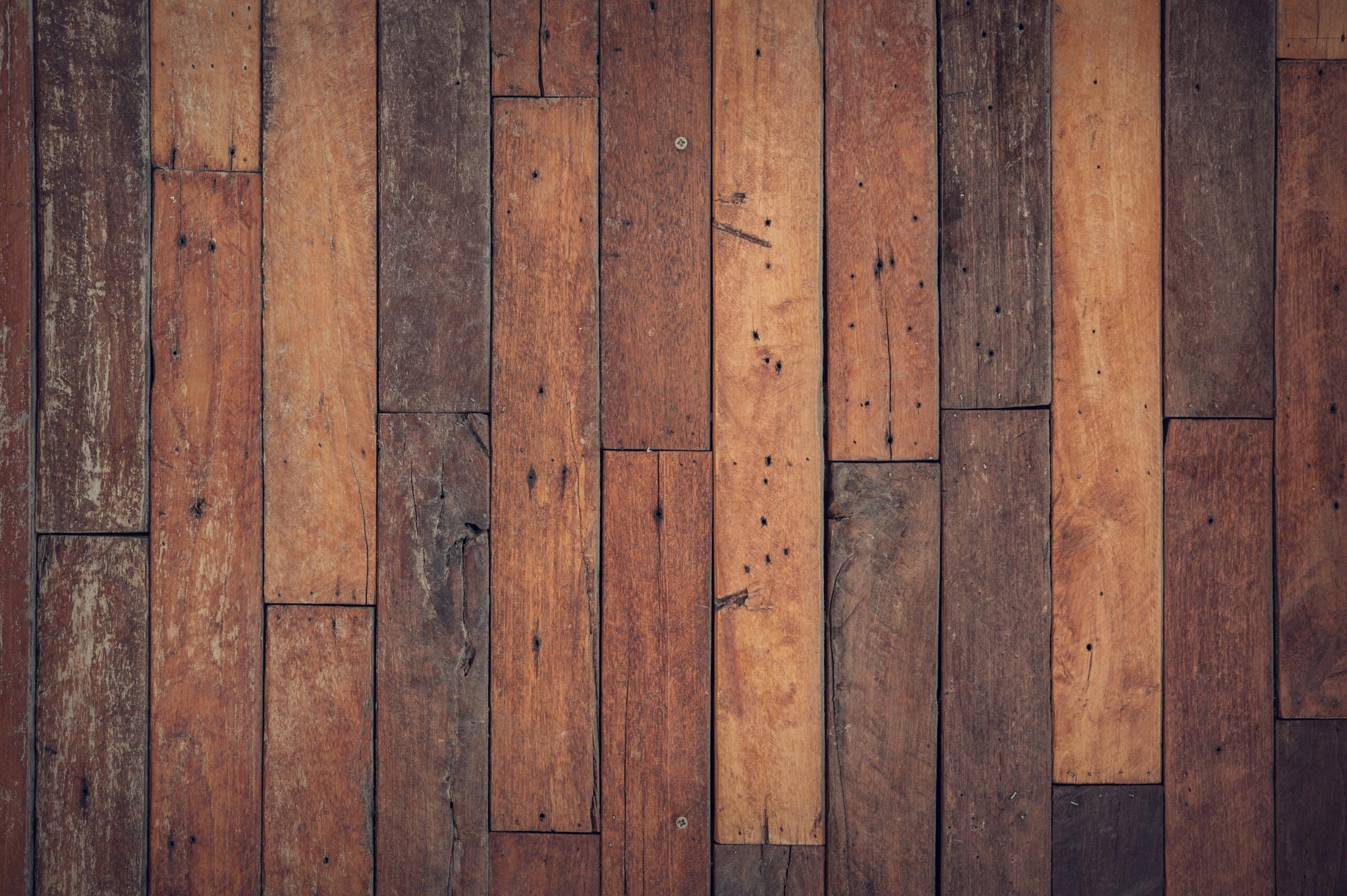
Ah, cheap flooring. It looks good in the store. The price tag makes you feel like a financial genius. You install it, admire your savings, and think, Wow, I am so smart. Fast forward a few months. Scratches. Warping. Weird smells. Now you’re standing there, regretting all your life choices.
Let’s talk about why that bargain flooring is secretly robbing you blind—and why investing in quality (and expert consulting) actually saves you money.
Flimsy Floors and Broken Dreams
Cheap floors are like bad relationships. They look good at first. They make big promises. Then, little by little, they start falling apart.
That budget laminate? One spilled drink and the edges swell like a bad sunburn. The low-end carpet? Turns into a matted, lifeless mess after six months. And the “affordable” vinyl? Curls at the corners like it’s trying to escape.
High-quality floors, on the other hand? They age gracefully. Solid hardwood, premium vinyl, or well-made carpet can handle life—pets, kids, high heels, and even that one friend who never takes their shoes off.
A Bad Install is a Disaster Waiting to Happen
Here’s the thing about cheap flooring—it’s not just the material that’s bad. The installation is usually a mess too.
Ever seen laminate with weird gaps between the planks? Or carpet that wrinkles like an unmade bed? That’s what happens when you skimp on installation.
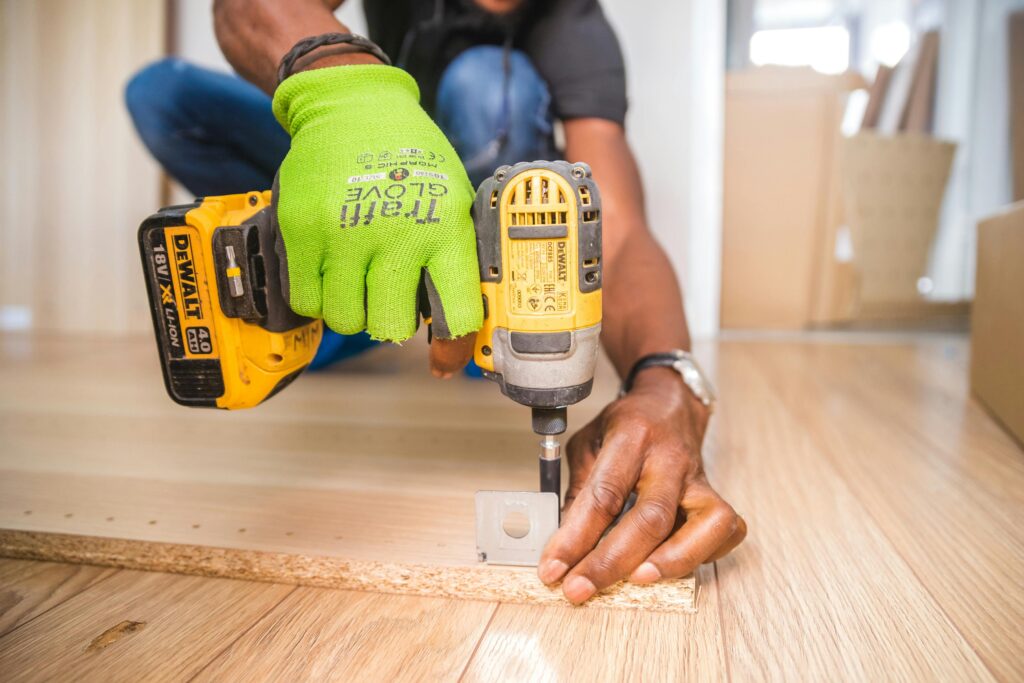
Good flooring requires prep work. Leveling the subfloor. Adding vapor barriers. Using the right adhesives. But budget jobs? They skip those steps to save time and money. And guess what? You’ll end up paying for it later when your floor starts bubbling, shifting, or straight-up falling apart.
Repairs on Repeat and the Never-Ending Headache
Here’s where it really gets fun. Cheap floors don’t just break faster—they demand constant attention.
That “scratch-resistant” laminate? Spoiler alert: it scratches. That “stain-proof” carpet? It holds onto red wine like a grudge. And that “durable” vinyl? Hope you love re-gluing the edges every six months.
Quality flooring? It’s built to handle life. It fights off stains. It shrugs at scratches. It doesn’t need weekly emergency repairs. Less maintenance = more money (and sanity) saved.
Selling Your Home with Sad Floors is a Tough Sell
You know what’s great about high-quality floors? They actually increase your home’s value.
You know what’s not great? Cheap flooring that screams, I made bad decisions.
Buyers notice. Appraisers notice. The second someone walks in and sees peeling vinyl or sad, flattened carpet, they start mentally deducting dollars from their offer.
But if you invest in solid hardwood, luxury vinyl, or high-end carpet? Your home instantly looks more valuable. It’s a simple upgrade that pays off when it’s time to sell.
Mold, Allergies, and Other Gross Surprises
Cheap flooring isn’t just ugly—it can actually make you sick.
Low-quality materials don’t always have proper moisture resistance. That means spills, humidity, or even a little condensation can turn into a moldy nightmare. And mold? It doesn’t just stay in your floors. It creeps into the air you breathe.
Then there’s the dust. Cheap carpets trap allergens like a lint roller from hell. If you have asthma or allergies, prepare for endless sneezing, watery eyes, and regret.
Consult the Pros and Save Yourself the Pain
This is where the professionals come in. Flooring consultants aren’t just there to help you pick a color. They help you choose materials that actually work for your life.
Got pets? Kids? A high-traffic hallway that takes a beating? They’ll guide you toward options that last. No more guessing. No more regretting.

And when it comes to installation? The right experts make sure your floor doesn’t just look good—it stays good. No warping, no bubbling, no disaster waiting to happen.
Cheap Floors are a Scam and Your Wallet Knows It
Here’s the truth: cheap flooring isn’t cheap. It’s just a delayed expense.
That money you think you’re saving? You’ll be spending it later—on repairs, replacements, and frustration.
So do yourself a favor. Invest in quality. Get expert advice. Choose floors that actually last. Your future self (and your bank account) will thank you.
